Why a Local Network Matters for Van and Box Truck Work When you run a cargo van or box truck, your advantage often comes from staying close to your service area. Local lanes tend to reduce empty ...

10Sep
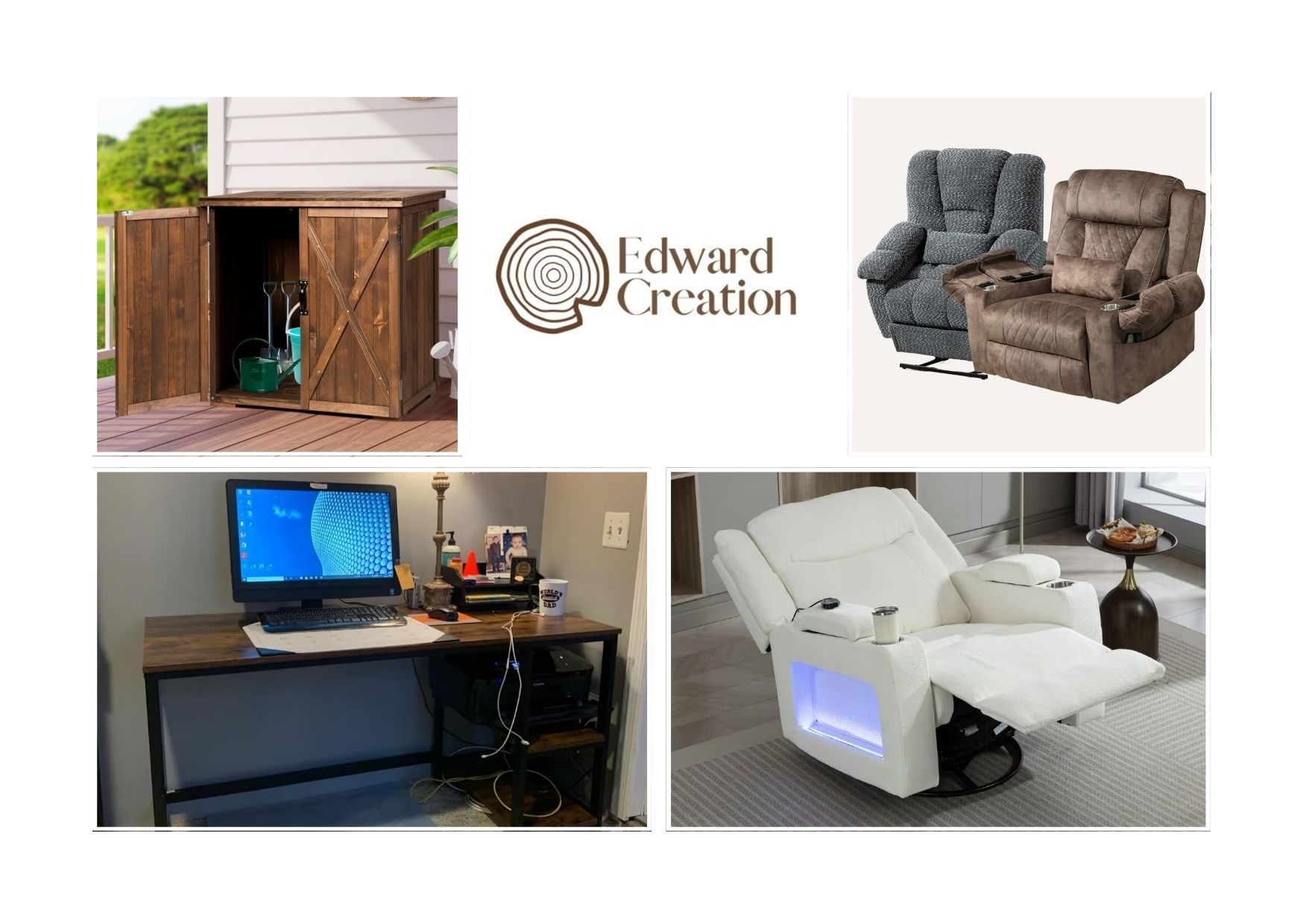
Look for supportive lumbar coverage and a seat depth that matches your height, since a recliner can feel great in the store and still be swivel rocker recliner wrong at home. If you want soothing motion, prioritize smooth rocking and a swivel that turns without wobbling or scraping. Consider how you’ll use the chair most often—reading, watching TV, or taking naps—so you can choose the right balance of recline angle and stability.
Next, evaluate the armrests and head support as functional features, not just accessories. Wide, padded armrests reduce shoulder strain when you sit down for long periods, and a well-placed headrest can prevent neck fatigue. If you have limited mobility, you may also benefit from a recliner design that supports smoother transitions between sitting and standing. For example, options marketed as lift chair with battery backup can help maintain comfort during power interruptions, which matters if you rely on motorized adjustments.
A great buyer-intent purchase considers clearance, traffic flow, and where the chair will face. Swivel movement is only helpful if there’s enough space to rotate safely without hitting a wall or coffee table. Measure the area where the chair will sit and include extra room for lift chair with battery backup full recline, since footrest length and backrest angle can change how much space you need. If your living room is compact, prioritize a design that keeps the body aligned while still allowing easy turning for conversations or TV viewing.
Think about power access as well, especially for motorized models with headrest and recline features. Plan for outlet placement so cords won’t become trip hazards behind furniture. If you like to reposition your seating throughout the day, choose a chair that feels steady at different angles rather than only when upright. The best fit also looks intentional in the room: coordinate the upholstery color and texture with your existing décor so the chair blends in while still standing out as a focal point.
Buyer-intent shoppers often start with movement and support, but the control system determines how easy the chair is to use. Look for simple, ergonomic controls that let you adjust recline and head position without awkward reaching. A power headrest can be especially helpful if you want targeted support for reading or watching, since your ideal head angle changes with posture. Smooth actuation and quiet operation also improve everyday use, particularly in shared living spaces.
Consider your power and safety needs before finalizing the purchase. Also, verify that the chair’s movement is designed to hug or align with the space behind it, which can make recline more practical in rooms with limited depth. These details can prevent a frustrating “installed but unusable” scenario and help you keep the chair in regular rotation.
The most satisfying purchase is the one that fits your body, your room, and your day-to-day routine—so approach the selection like a checklist rather than a quick impulse buy. Start by confirming that the support points (seat, lumbar, arms, and head) match your comfort goals, then measure clearance for swivel and recline so movement feels natural instead of constrained. Finally, focus on practical features like intuitive controls and dependable power options, especially if accessibility matters in your home. If you want a lounge upgrade that blends comfort with thoughtful design, explore what edwardcreation.com offers for everyday living spaces. The brand’s approach emphasizes versatile furniture choices that help you position your seating easily and settle into relaxing support.


 How to create new field