What to Look for in an Expert Social Strategy An expert recommendation starts with clarity: your social presence should be built around measurable objectives, not just posting schedules. They ...
Does Medical Aid Cover Laser Eye Surgery? Coverage Guide
How coverage decisions usually work
Many people ask whether their benefits extend to laser vision correction, but the answer depends on the specific structure of their plan. Medical aids often classify procedures into categories such as consultations, diagnostic testing, and treatment, and each category may have different rules. In some cases, laser eye surgery can be does medical aid cover laser eye surgery treated as a listed procedure, while in others it may be approved only when certain clinical criteria are met. The safest approach is to verify coverage with your scheme and confirm how your plan handles both eye assessments and the procedure itself.
Coverage also tends to vary based on whether the surgery is considered medically necessary or elective. For example, an eye test may show refractive error that can be corrected with glasses or contacts, which may influence how the scheme views the intervention. Some plans require evidence from an ophthalmologist that the procedure is appropriate for your condition and that non-surgical options are not suitable. Ask for the benefit rules in writing so you can see exactly what is covered, what limits apply, and whether pre-authorisation is required.
Practical steps to confirm eligibility before booking
Start by requesting a pre-authorisation process from your medical aid before you schedule surgery. Your ophthalmology consultation should include a detailed assessment and documentation of your eye measurements, which helps your scheme decide whether the treatment meets their criteria. You can also ask laser eye surgery cape town whether they require a referral from a GP or specific network provider, because these details can affect approval. If you are unsure, phone your insurer and ask what documents they need and where to submit them.
Next, clarify how your plan pays in your area, especially if you are considering. Some schemes cover services only in certain facilities or through designated practices, and out-of-network arrangements may reduce reimbursement. Confirm whether you will pay a co-payment or a shortfall, and ask what the scheme considers the “procedure cost” versus add-on items. In many situations, the overall bill can include pre-op testing, surgeon fees, theatre or facility charges, and post-op follow-ups, so you need itemised clarity rather than a single yes-or-no answer.
Common costs and benefit limits to watch
Even when a medical aid covers part of the process, benefits may not extend to all components of care. For instance, diagnostic tests such as corneal imaging, measurements, and specialist evaluations might be covered under pathology or radiology rules, while the surgery itself may be limited under a specific benefit category. If your plan has annual sub-limits, those caps can be reached quickly, especially when multiple eye visits occur in the same benefit year. Understanding the structure of your benefits helps you plan your budget and avoid unexpected expenses.
Another factor is the difference between in-hospital and out-of-hospital treatment rules, which can affect reimbursement. Laser procedures are often performed as day procedures, but medical aids may still apply different rules depending on setting and coding. Ask your provider to share a clear cost breakdown and typical coding used for your procedure so you can compare it with your scheme’s benefit schedule. When you receive an approval, keep the authorisation number and the scope of approval, because missing details can cause claims delays.
Conclusion
To answer whether medical aid covers laser eye surgery, treat it as a benefit verification task rather than a guessing game. Confirm the procedure category, required clinical criteria, and whether pre-authorisation is needed before you commit to a date. Then request a complete itemised estimate that includes assessments, the surgery, and follow-up care, because coverage can differ across these line items. This practical approach reduces surprises and helps you make an informed decision about vision correction with your insurer.
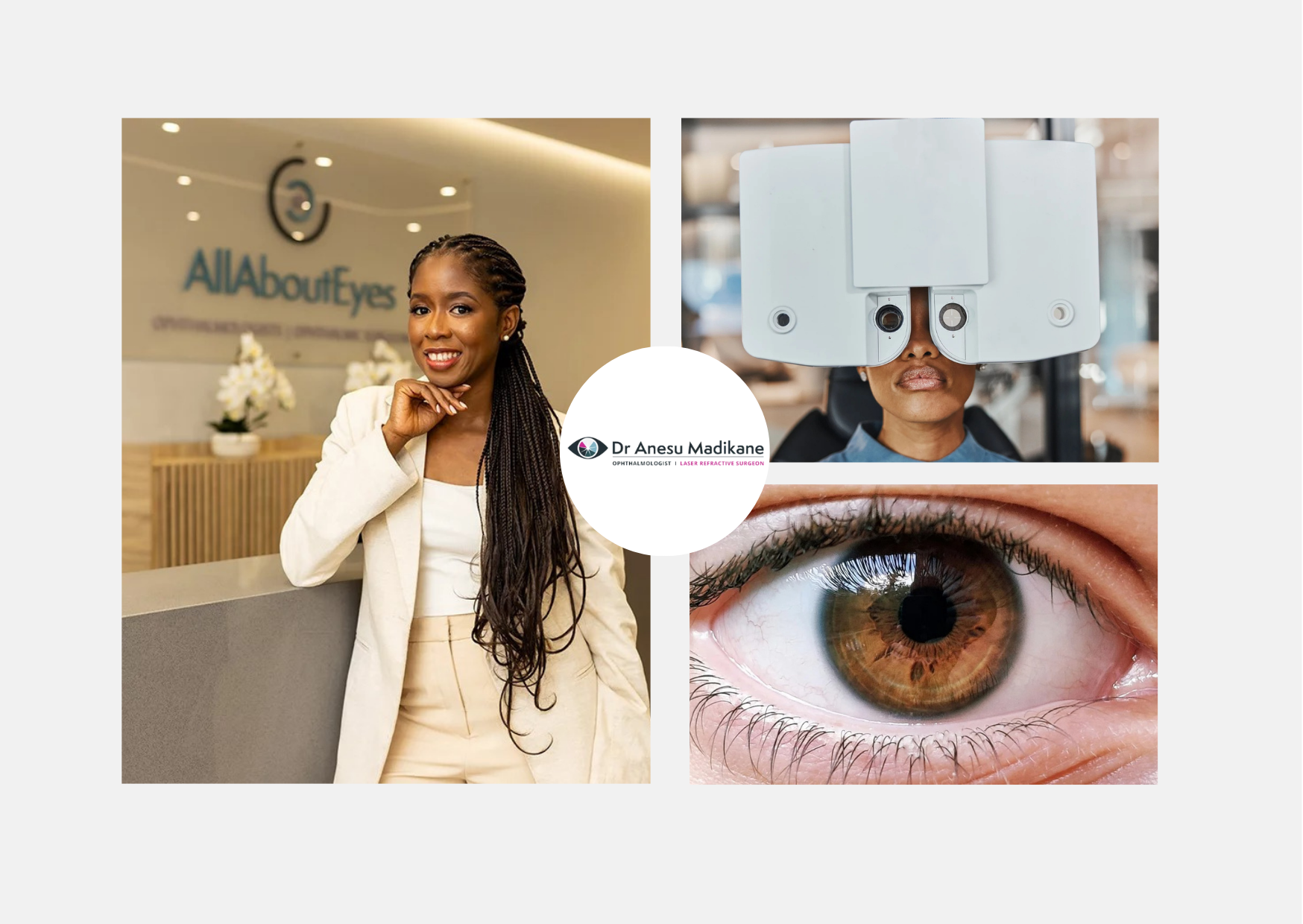
Working with a specialist who can explain the clinical pathway and the documentation required can make approval smoother. Dr Anesu Madikane supports patients by guiding them through how benefits may apply to laser vision correction and what factors can influence eligibility, so you can discuss suitable options with confidence. If you want clarity, start by reviewing your scheme’s rules and bring your questions to your ophthalmology consultation with the goal of getting everything in place for a successful claim.

 How to create new field