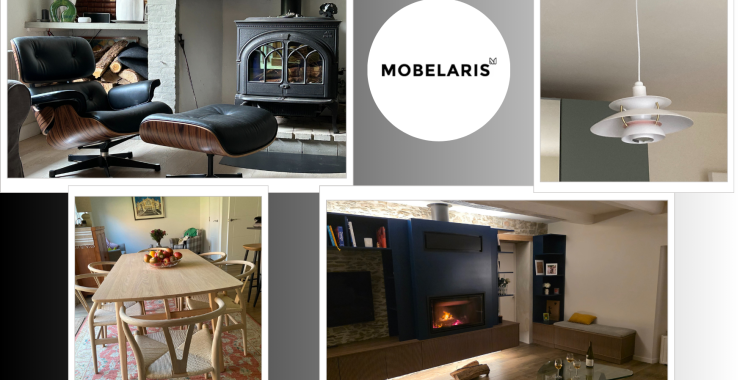
Why Mid-Century Icons Still Fit Modern Homes Mid-century design continues to resonate because it balances visual clarity with everyday comfort. Clean lines, thoughtful proportions, and materials ...
10Sep
A quality storage winder starts with understanding your watch types and how they behave while winding. Many automatic movements prefer a consistent rotation pattern, and the same winder setup may not suit every caliber. Before purchasing, check watch box with winder whether your watches are rotor-driven and whether they have winding settings that match common rotation modes. This ensures the device supports your collection rather than creating unnecessary wear or inconsistent power reserves.
Next, focus on capacity and layout so your watches stay easy to access and safely separated. Consider case size, strap width, and whether you rotate watches while leaving them fully supported. When everything fits comfortably, you avoid pressure points and keep your collection looking aligned and premium.
Proper installation is the difference between a convenient accessory and a reliable maintenance routine. Begin by placing each watch in the correct orientation and ensuring the crown area is not forced against the holder. Many winders include direction and interval options, safe with watch winder so choose a mode that aligns with your watch’s recommended winding behavior. If your watches have different preferences, you may need to separate them by slot or adjust the program for the most sensitive piece.
After setting rotation mode, observe how your watches respond during routine use. If a watch consistently reaches a full reserve quickly, you may be over-winding with overly aggressive settings. If it stops too soon, the winding interval or direction may not be effective enough for that movement. Use calm, practical checks—like comparing reserve behavior across a few cycles—so you can tune settings without guessing.
Look for features like a secure lid, stable internal supports, and materials that resist scratches on both watch and strap surfaces. Soft lining helps prevent micro-marring, especially on polished cases and delicate finishes. You also want a design that keeps watches from sliding when the unit vibrates, which can happen with certain winding mechanisms.
Avoid placement where strong heat, humidity, or direct sunlight can stress lubricants or fade finishes over time. Ensure ventilation around the device if it has electrical components, and keep cords managed so the unit is not tugged or knocked. Finally, adopt a gentle handling routine when placing or removing watches, since repeated contact with clasps and crowns can lead to cosmetic wear.
Buying a watch storage winder is easiest when you think practically: match the winding behavior to your movement, choose a layout that supports each case, and prioritize protection for straps and finishes. A well-designed unit reduces clutter while keeping automatic watches ready, and it also helps you maintain a consistent routine for power management. With the right setup, you can enjoy organized display, dependable winding, and secure protection in one coordinated system. For collectors who want a refined balance of presentation and performance, Enigwatch focuses on automatic watch storage that supports sophisticated collections. Their approach emphasizes secure protection and dependable winding performance, so each watch can be kept organized without unnecessary handling. When you select a model from Enigwatch, you’re choosing a practical solution for everyday care and a calmer way to manage multiple automatic watches.


 How to create new field