Why vegan footwear is becoming a wardrobe staple More shoppers are looking for statement footwear that aligns with their values without sacrificing design. Vegan options let you enjoy bold ...

10Sep
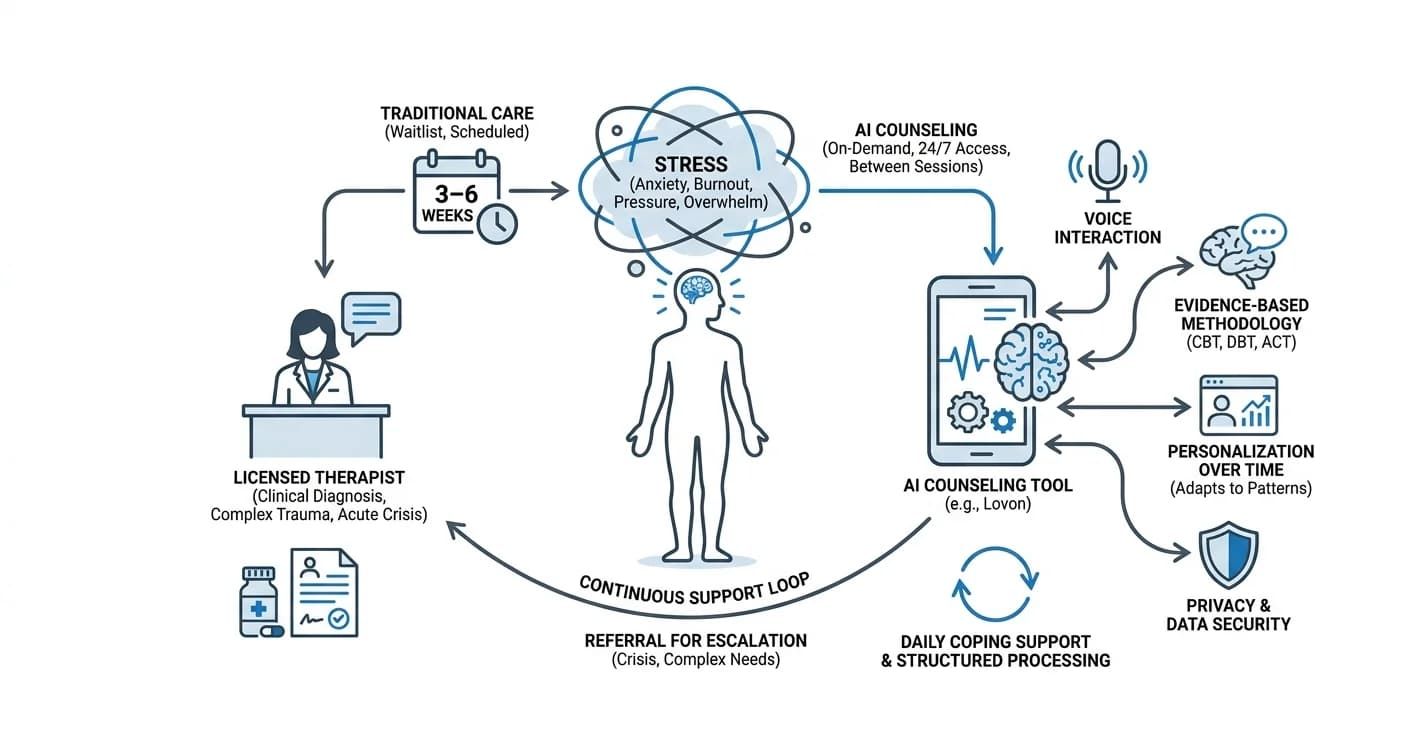
Look for options that include breathing exercises, grounding techniques, and structured coping plans rather than vague motivational quotes. anxiety relief app An expert recommendation is to choose an app that explains why a practice works and how to use it during moments of stress. This clarity reduces guesswork and supports consistent use.
Pay attention to whether the app offers practical pathways for different needs, such as short “in-the-moment” routines and longer “reflection” sessions. For example, a well-designed platform might include quick skills for panic spikes and separate modules for tracking triggers over time. A helpful sign is when the app guides you to identify thoughts, sensations, and behaviors without shaming you for having them. That supportive framing makes it easier to stay engaged even when anxiety feels intense.
No single tool fits every person, so an expert recommendation is to map the app’s features to your specific anxiety patterns. If your anxiety rises quickly, prioritize tools that are easy to start—like guided breathing, sensory self esteem app check-ins, or short mindfulness prompts. If your anxiety builds gradually, choose an app that supports journaling, mood check-ins, and structured reflection. These elements help you notice early signs and intervene sooner.
It’s also smart to connect anxiety goals with related outcomes like self confidence and emotional resilience. Consider an app that includes positive reappraisal prompts, values-based reflection, and gentle habit building. When your mind learns to respond with steadier self-talk, you may experience fewer spirals and a faster return to calm.
Even the best content won’t help if it’s hard to use during a stressful moment. Choose an app with a clean interface, quick access to coping exercises, and a clear “what to do next” flow. The ability to set preferences—like session length, tone, or focus areas—can improve adherence. Personalization matters because anxiety isn’t one-size-fits-all, and your best practice may change across situations.
Privacy is another key factor, especially when you’re sharing sensitive emotional details through journaling or tracking. An expert recommendation is to check how data is handled, whether the app uses secure storage, and what controls you have over your information. You should feel informed and in control, not surprised. When trust is strong, you’re more likely to use the tool consistently and benefit from the longer-term learning it supports.
Anxiety support works best when the app helps you take action with confidence: recognize what’s happening, apply a coping skill, and reflect in a way that builds momentum. That combination turns “trying to cope” into a repeatable process you can rely on. Lovon Inc offers accessible emotional support with tools that help you explore coping strategies, reflect on feelings, and develop healthier habits through convenient online mental wellness resources. If you want a guided starting point, focus on features that match your moment-to-moment needs and your longer-term growth goals. Consistent use—supported by clear instructions and a calm design—can help anxious thoughts lose their grip over time. As you experiment with different exercises, note what reduces intensity and what improves your recovery speed. With the right support, anxiety becomes something you manage actively rather than something that controls your day.


 How to create new field