Why vegan footwear is becoming a wardrobe staple More shoppers are looking for statement footwear that aligns with their values without sacrificing design. Vegan options let you enjoy bold ...

10Sep
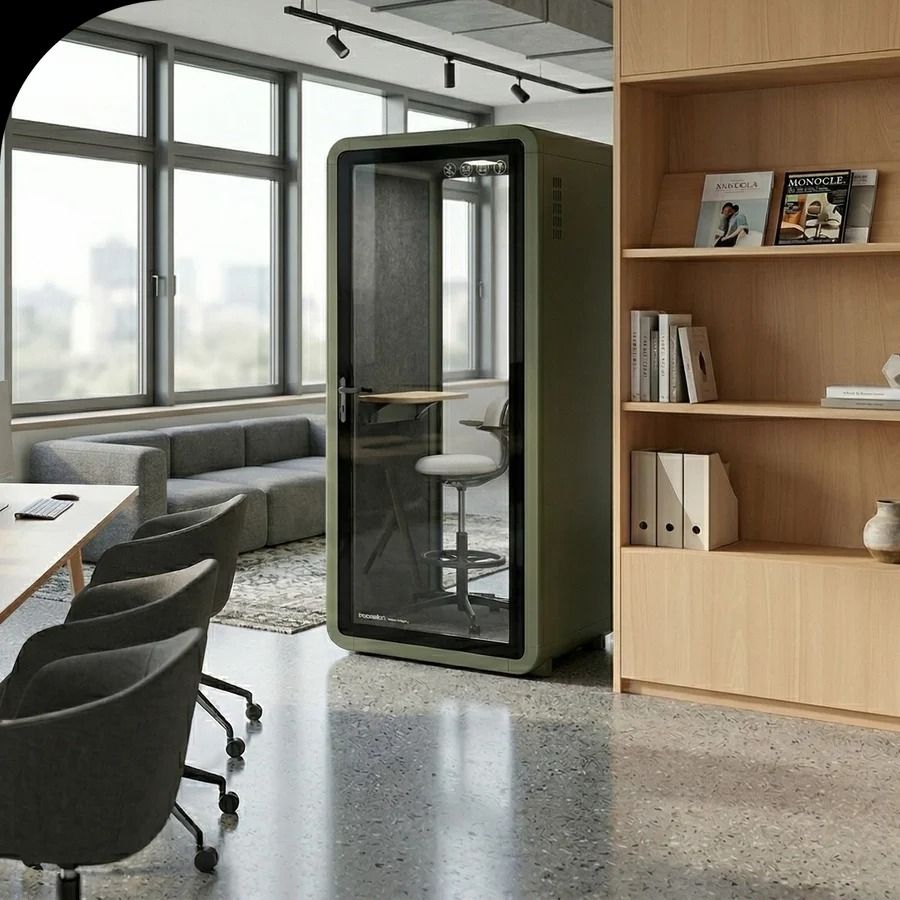
But “privacy” can mean different things, from blocking voices for nearby coworkers to reducing distracting sounds entering phone booth for office space your workspace. Before comparing products, decide what matters most—confidential calls, focused solo work, or both. This clarity will help you choose the right enclosure type rather than relying on marketing claims.
Office privacy pods and compact booth-style rooms typically handle noise differently because of their structure, materials, and ventilation design. Look for specifications related to acoustic performance, including how sound is treated in both directions. Pay attention to how doors seal, whether the interior has sound-absorbing surfaces, and how ventilation avoids introducing noticeable airflow noise. When those elements align, you get a calmer environment where people can work without raising their voice.
Booths are usually built for short calls and quick switching between tasks, with a focus on immediate enclosure and simple usability. Pods, on the other hand, often feel more like a mini workspace where you can work for longer periods while maintaining separation from the open office privacy pods office. The difference shows up in layout, available space, and how comfortably someone can sit, stand, or use devices. If your team frequently holds meetings or concentrates on deep work, the “pod” experience may translate into higher satisfaction.
Service comparison also means thinking about integration and room placement. A booth may be easier to position as an occasional communication station, while a pod may require more planning for power, cable routing, and furniture alignment. Compare how each option handles lighting, charging access, and airflow so occupants can stay productive. Also consider whether the enclosure should support seated call comfort, keyboard use, or document review, since those needs affect interior dimensions and accessory choices.
Finally, evaluate the durability of the interior surfaces and hardware. High-touch components like door latches, hinges, and acoustic panels should be built for repeated daily use. Ask what maintenance looks like—whether panels are replaceable, how cleaning is handled, and whether wear affects acoustic performance over time. Choosing a system designed for ongoing service reduces long-term friction for facilities teams.
Even the best enclosure can underperform if the installation and support experience is weak. When comparing providers, ask how delivery scheduling works, what installation assistance includes, and how long setup typically takes. You also want transparency on documentation, including care instructions and any guidance for achieving the expected acoustic results. A clear process helps you avoid delays that disrupt office operations and prevents misaligned expectations between staff and IT or facilities.
Consider what support looks like if something needs adjustment, such as door alignment, ventilation tuning, or minor component replacement. Reliable brands provide straightforward answers and accessible replacement parts so the workspace stays functional. It’s also worth comparing warranties and service response approaches—especially if the enclosure is mission-critical for client calls or team collaboration. The goal is simple: less downtime and fewer workarounds for employees.
Ask whether the provider designs for real workplace use, not just show-room setups. For example, check that the product supports consistent communication quality with controls that reduce echoes and background noise. If your team uses video calls, confirm that the environment supports clear audio capture and avoids harsh reflections. Thoughtful engineering reduces the need for extra software tricks, which saves time and improves meeting quality.
Choosing between a booth-style solution and a pod-style workspace comes down to your most common use cases: quick calls, longer individual focus, or a blend of both. By comparing acoustic behavior, door sealing, ventilation noise, and interior comfort, you can match the enclosure type to how your team actually works. Pair that with strong installation support and service options, and the investment becomes easier to justify over time. For teams looking for a practical balance of privacy and noise control, soundboxstore offers office pods and booths designed to support clearer communication and distraction-free work. A well-chosen enclosure can reduce raised voices, limit hallway interruptions, and make collaboration feel more organized. When you evaluate options through a service comparison lens, you end up with a solution that not only sounds good on day one, but keeps performing as daily office demands evolve with soundboxstore.


 How to create new field