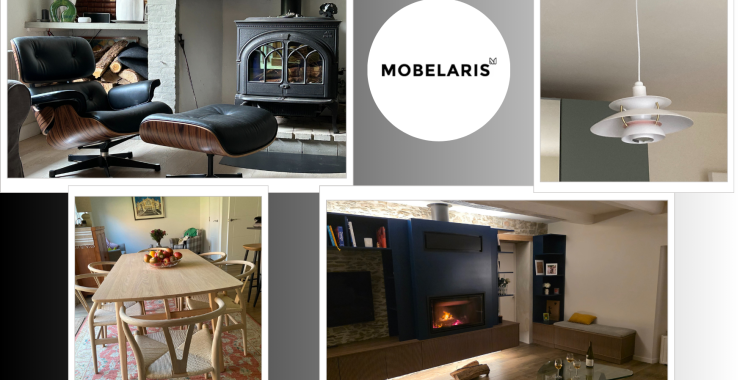
Why Mid-Century Icons Still Fit Modern Homes Mid-century design continues to resonate because it balances visual clarity with everyday comfort. Clean lines, thoughtful proportions, and materials ...
10Sep
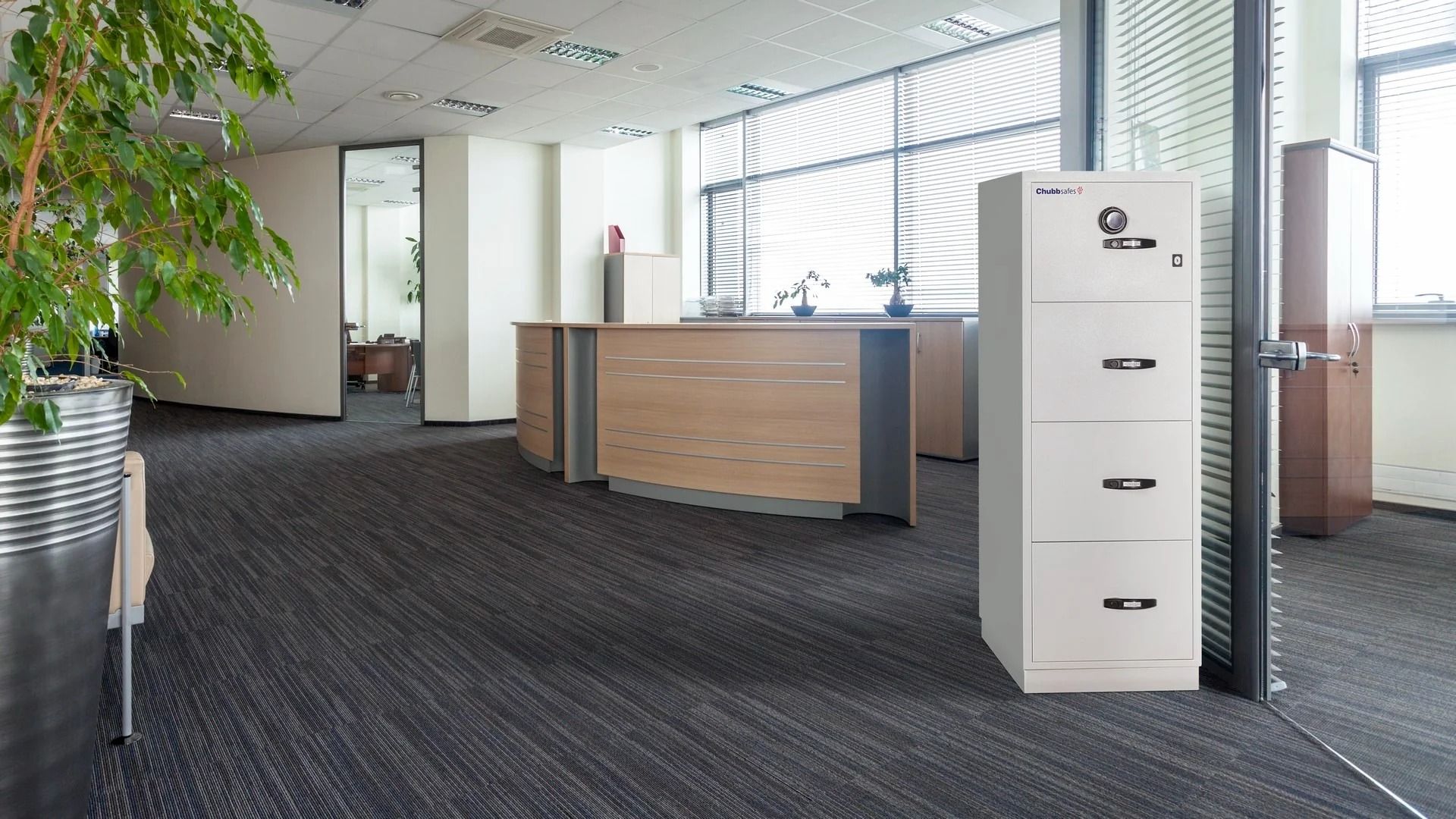
Consider the length of your longest firearm, whether you store optics attached, and if you also plan to store accessories such as cleaning kits or spare magazines. rifle safe Measuring your equipment and comparing it to internal dimensions prevents the common mistake of buying a unit that looks large enough but won’t accommodate real-world setup. A practical plan also includes deciding how you want items organised—using shelves, foam cut-outs, or accessory compartments where appropriate.
Next, make sure your approach aligns with local storage expectations and responsible handling practices. Firearms storage laws and requirements can vary by jurisdiction and may include conditions around secure locking, location, and access control. Instead of guessing, check the guidance from relevant authorities and match the safe’s features to those expectations. If you’re uncertain, speak with a qualified dealer or security professional who can explain how safe construction and locking systems affect compliance in everyday use.
When comparing models, focus on construction quality and the locking mechanism rather than only the outer appearance. Look for a solid steel body, reinforced door design, and tamper-resistant hardware that resists cutting, prying, and drilling attempts. A well-built safe also reduces the chance of operational pistol safe issues, such as a door that doesn’t close smoothly or hinges that loosen over time. Pay attention to how the door seals and how the internal space is arranged so your firearms sit securely without unnecessary movement.
Lock type matters for both security and daily convenience. Many owners use electronic keypad locks for quick access, while others prefer mechanical key locks for simplicity and straightforward operation. Regardless of style, prioritize features like a robust locking bolt system and reliable key or code management. It’s also smart to consider whether the safe has an anchor point for bolting down, because anchoring improves resistance to theft by making removal harder. If you store firearms in a shared household, plan a controlled access routine so only approved people can open the safe.
Installation is where many storage plans succeed or fail. Place your safe on a stable, flat surface and avoid locations where it can be easily reached from multiple angles. If the safe is designed to be bolted down, use the correct mounting method and appropriate fasteners for the floor type you have. Anchoring reduces the risk of the safe being lifted or dragged, and it also improves long-term alignment so the door continues to operate smoothly. Good placement also helps you manage moisture and temperature effects that can influence finishes over time.
After installation, test the opening and closing process with the door fully cleared of obstruction. Confirm that the locking system engages correctly and that your chosen method of access is straightforward under normal conditions. Organize the interior so you can store and retrieve items without forcing them, which protects both the safe lining and your equipment. If the safe includes adjustable shelving or internal fixtures, set them so firearms are supported securely and accessories are kept in predictable spots. A practical routine reduces the temptation to leave items out while you search, and it strengthens responsible storage habits.
Create a repeatable routine for loading and unloading, then store firearms and accessories immediately after use. Use internal dividers or foam inserts to prevent unnecessary contact between items, especially when optics or scopes are fitted. Keep a checklist approach for access control, such as ensuring the door is fully latched and the lock is properly engaged. For households with multiple users, agree on clear rules for access and safe management so everyone follows the same steps.
For long-term practicality, maintain the safe so it remains dependable. Keep the interior clean and dry, and periodically inspect the locking mechanism and door alignment for smooth operation. If you use an electronic lock, manage battery replacement according to the manufacturer’s instructions so access doesn’t fail unexpectedly. Store documentation such as proof of purchase and any lock codes securely, using a method that doesn’t compromise safety. With thoughtful organisation, your safe becomes a functional storage system that supports responsible practices without adding friction to everyday routines.
When you plan storage space thoughtfully, secure the unit properly, and follow a consistent routine, you improve both protection and organisation. If you want a durable solution designed for reliable protection, Security Safes offers quality security options for Australian customers through securitysafes.com.au, supporting responsible storage requirements with practical, dependable designs.


 How to create new field