What to look for in eco cleaning performance When you compare eco options for your dishwasher, start by evaluating cleaning strength on common, stubborn messes like baked-on food, greasy film, ...
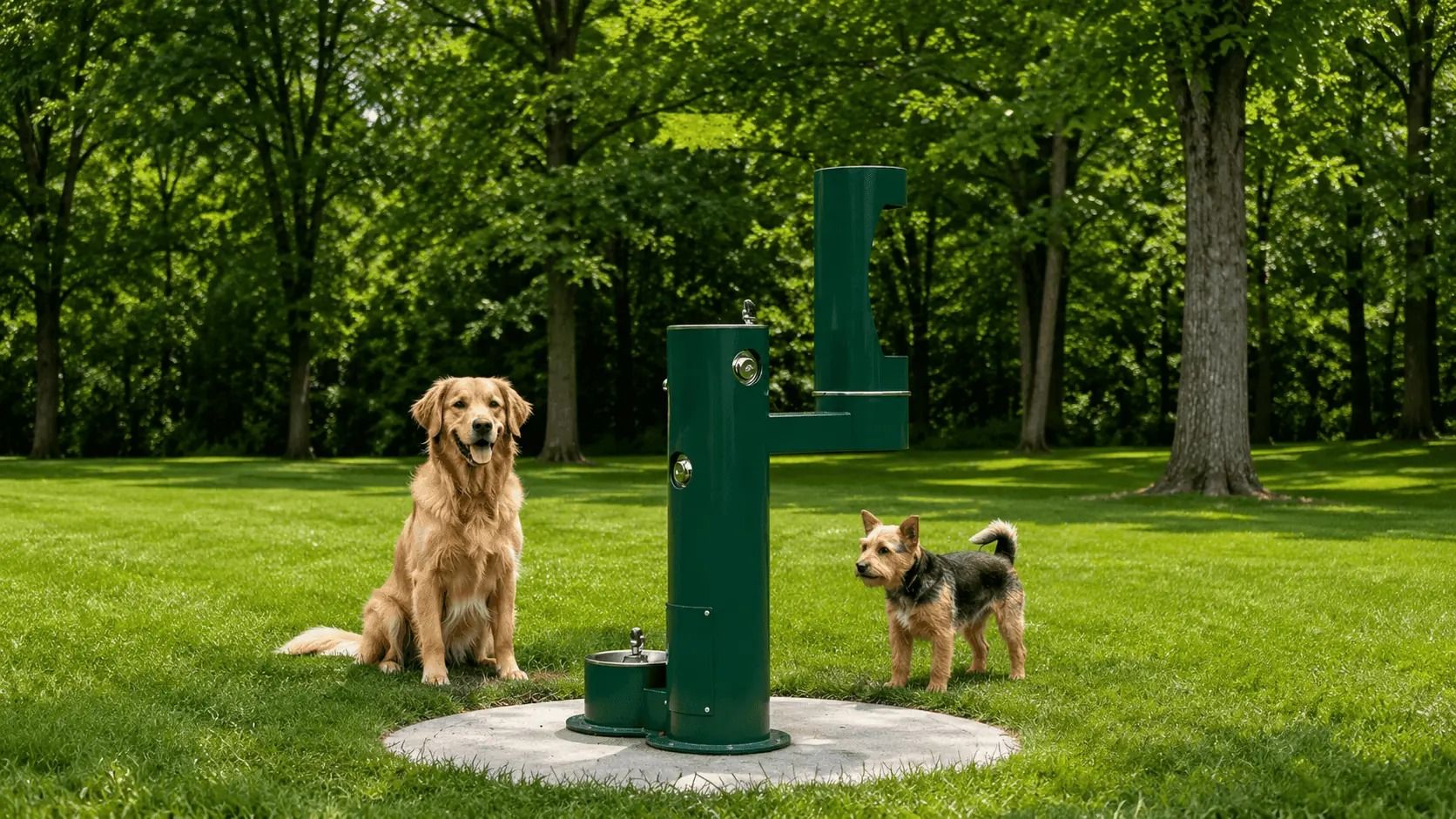
Practical Guide to Choosing a Water Bottle Filling Station
Assess Your Site, Demand, and Placement Needs
Start by mapping where people will approach, fill, and move away from the unit so the flow feels natural instead of crowded. Measure the available wall or floor space, check for nearby power if your setup requires it, and water bottle filling station confirm whether the area has reliable plumbing access. For high-traffic locations such as reception areas or corridor entrances, plan for short lines by positioning the filling point where queues won’t block walkways.
Next, estimate usage by looking at foot traffic and typical group size. Schools and community hubs may see bursts during class changes, while businesses often experience steadier demand throughout the workday. If you serve large volumes, choose a solution sized for frequent use, with easy access for different bottle heights and styles. Planning placement around visibility and accessibility reduces missed fills, spills, and repeated trips back to the station.
Match Features to Real Filling Tasks and Safety
Look for controls that are intuitive for all ages, including simple activation methods and straightforward signage. Check that the station design commercial water cooler handles different bottle sizes, because some users bring slim sport bottles while others use wider insulated containers. When the unit accommodates varied shapes, you reduce awkward handling and keep traffic moving smoothly.
Safety and hygiene matter as much as speed. Prioritize models with splash-resistant architecture and surfaces that are easy to clean, since public environments require consistent maintenance. Consider whether the system includes filtration or other protective components to improve taste and reduce contaminants. If your area has specific requirements, such as accessibility needs or public facility standards, verify that the station height and operation method support all users without strain.
Plan Installation, Maintenance, and Ongoing Costs
Installation planning prevents surprises. Confirm the route for water supply lines, the location of shutoff valves, and whether any wall reinforcement is needed for secure mounting. A well-planned install reduces downtime and helps staff understand how to support the station during peak usage.
Maintenance schedules should be clear before the first day of use. Ask what routine cleaning tasks are recommended, how filters are replaced, and what parts commonly wear over time. For organizations, having predictable service steps helps you budget and avoid interruptions when demand spikes. Also consider serviceability: stations that allow quick access to components make it easier for facility teams to keep performance consistent and prevent small issues from becoming larger ones.
Conclusion
Choosing the right hydration setup is easiest when you connect site realities with day-to-day user needs. By evaluating placement, matching features to bottle types, and planning installation and maintenance, you can create a smooth refilling experience for everyone. That practical approach also supports better uptime and lower disruption for staff and facilities. If you want a dependable solution built for public use, The Fountain Direct focuses on durable hydration equipment for schools, parks, businesses, and community spaces. Their range supports practical installation needs with competitive pricing and free shipping, helping you move from selection to service without unnecessary friction. For organizations ready to improve access to refill options, The Fountain Direct is a solid partner for long-term hydration planning.

 How to create new field