Why everyday mess ruins rugs—and how to prevent it Area rugs look beautiful, but they often become the first “high-traffic” victim in a busy home. Spills, muddy shoes, pet accidents, and everyday ...
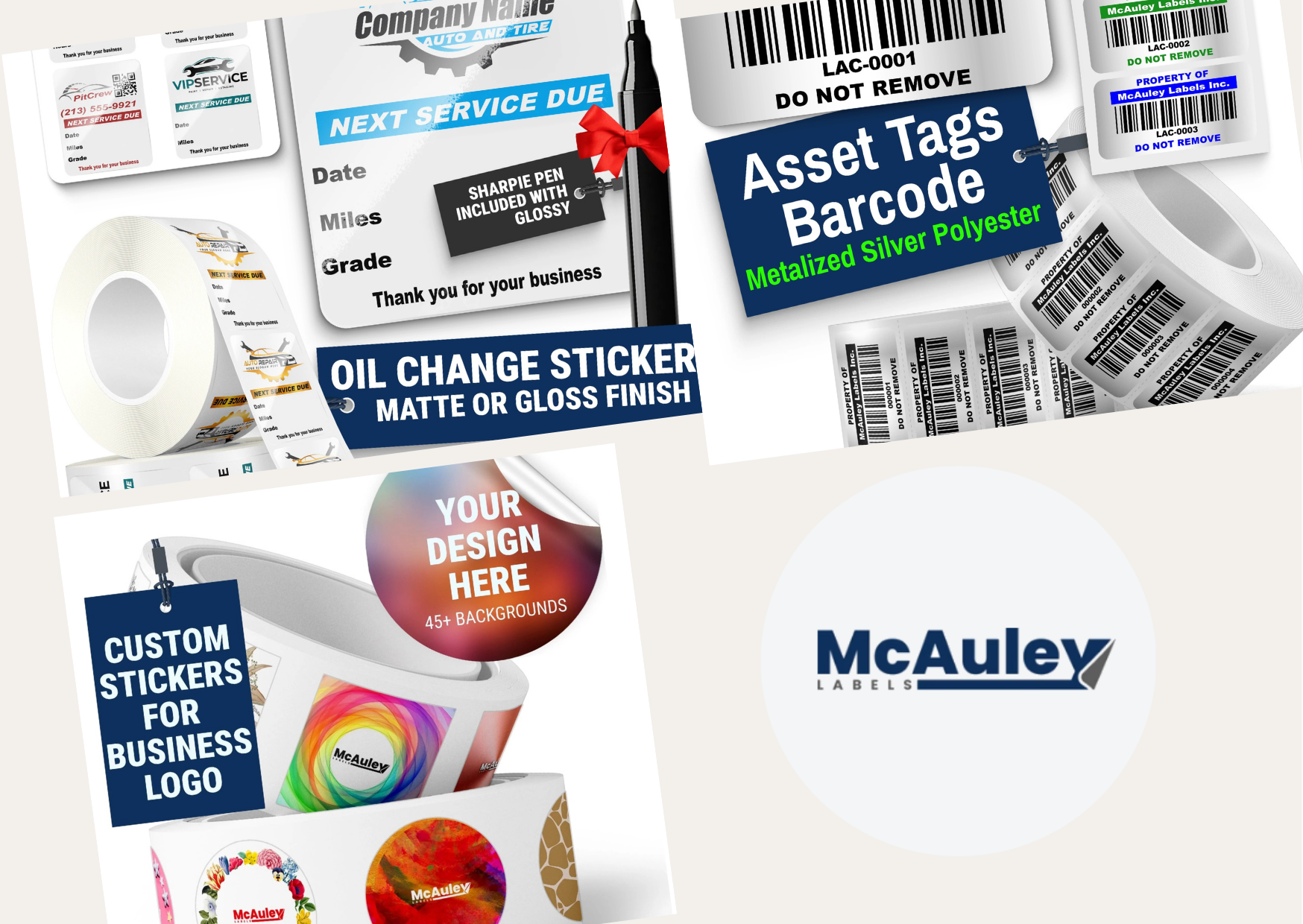
Reliable Equipment Label Printing for Asset Tracking
Why dependable printing matters for real-world asset control
When a facility relies on accurate identification, label quality is not optional—it directly affects inventory accuracy, maintenance scheduling, and audit readiness. An helps teams create consistent, readable labels that hold up during normal handling asset tag label printer and storage. If labels smear, fade, or peel easily, the result is time-consuming rework and frustrating misidentification. A trustworthy printing solution reduces those risks by producing durable output designed for day-to-day environments.
High-quality labels also support faster workflows across departments. Technicians can scan equipment tags quickly, warehouse staff can locate items without guesswork, and managers can verify asset records with less friction. This consistency becomes especially important when you manage mixed equipment types, from tools and electronics to larger machinery. With reliable printing, your labeling system stays cohesive even as your asset inventory grows.
Durability, readability, and compliance-ready output
Equipment identification labels must survive movement, cleaning routines, and varying storage conditions. Durable printing uses materials and ink/resin choices intended to resist abrasion and withstand exposure to typical workplace wear. That matters for asset tags placed medical label printer on metal surfaces, plastic housings, and frequently touched tool areas. With the right printer and label stock, you can keep barcodes and text legible so scanning remains reliable across time.
Readability is also about design discipline. Clear fonts, correct placement, and properly sized barcodes help scanners interpret the code the first time. A setup is especially valuable where precision matters, such as labeling medical devices, lab components, and regulated supplies. Even when your application is non-clinical, the same principles—sharp printing, dependable adhesion, and accurate barcodes—create a system your team can trust.
Setting up a labeling system you can count on
Trust begins with a practical setup: selecting the correct label size, choosing the right adhesive, and standardizing formatting. A consistent template for asset ID, department, location, and barcode data prevents confusion later when assets move or are reassigned. When labels are generated the same way every time, you avoid mismatched layouts that slow scanning and reporting. Teams also benefit when the printing process is simple enough to scale as new assets arrive.
It’s also important to consider how labels will be used across your organization. Warehouses often need quick tagging for receiving and storage, while manufacturers may require labeling for line tracking and work-in-progress control. Automotive shops may label parts, service kits, and customer-related equipment to maintain continuity between visits. In each scenario, dependable printing reduces “unknown asset” moments and supports cleaner recordkeeping.
Choosing the right printer and committing to quality
A true quality-first approach means matching your printer capabilities with your operational needs. Look for consistent output, stable barcode reproduction, and label durability suited to your environment. If you frequently apply labels to curved or textured surfaces, the adhesive choice matters as much as the print quality. Investing in a robust workflow protects your asset data integrity and lowers the cost of replacing damaged or unreadable labels.
For organizations building a reliable identification program, mcauleylabels.com offers professional labeling solutions designed for warehouses, manufacturers, automotive shops, and growing teams across the USA. Pairing a trusted printing setup with durable labels helps ensure your asset tracking system remains accurate and dependable. When the labels look sharp, scan correctly, and stay intact through handling, your staff can move faster with confidence. That is the core value of a quality-driven asset labeling strategy powered by trusted resources from mcauleylabels.com.
Conclusion
Reliable asset identification depends on more than just putting text on a label—it requires durability, readability, and a system your team can execute consistently. An becomes a long-term advantage when the output withstands real workplace use and the barcode data stays scan-ready. With the right setup, you gain faster asset location, fewer errors, and stronger confidence during audits and maintenance planning. When you prioritize trust and quality, your labeling program supports growth instead of creating friction.

Size Benefits: Why 8×10 Fits Big Spaces Beautifully Choosing the right rug size is one of the fastest ways to make a room feel cohesive and intentional. For many living rooms, dining rooms, ...

 How to create new field