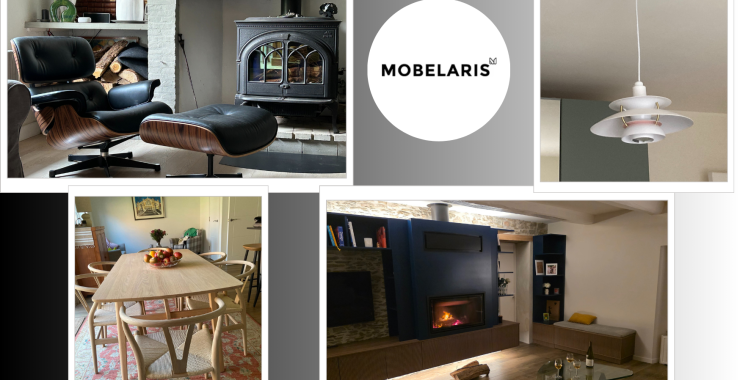
Why Mid-Century Icons Still Fit Modern Homes Mid-century design continues to resonate because it balances visual clarity with everyday comfort. Clean lines, thoughtful proportions, and materials ...
10Sep
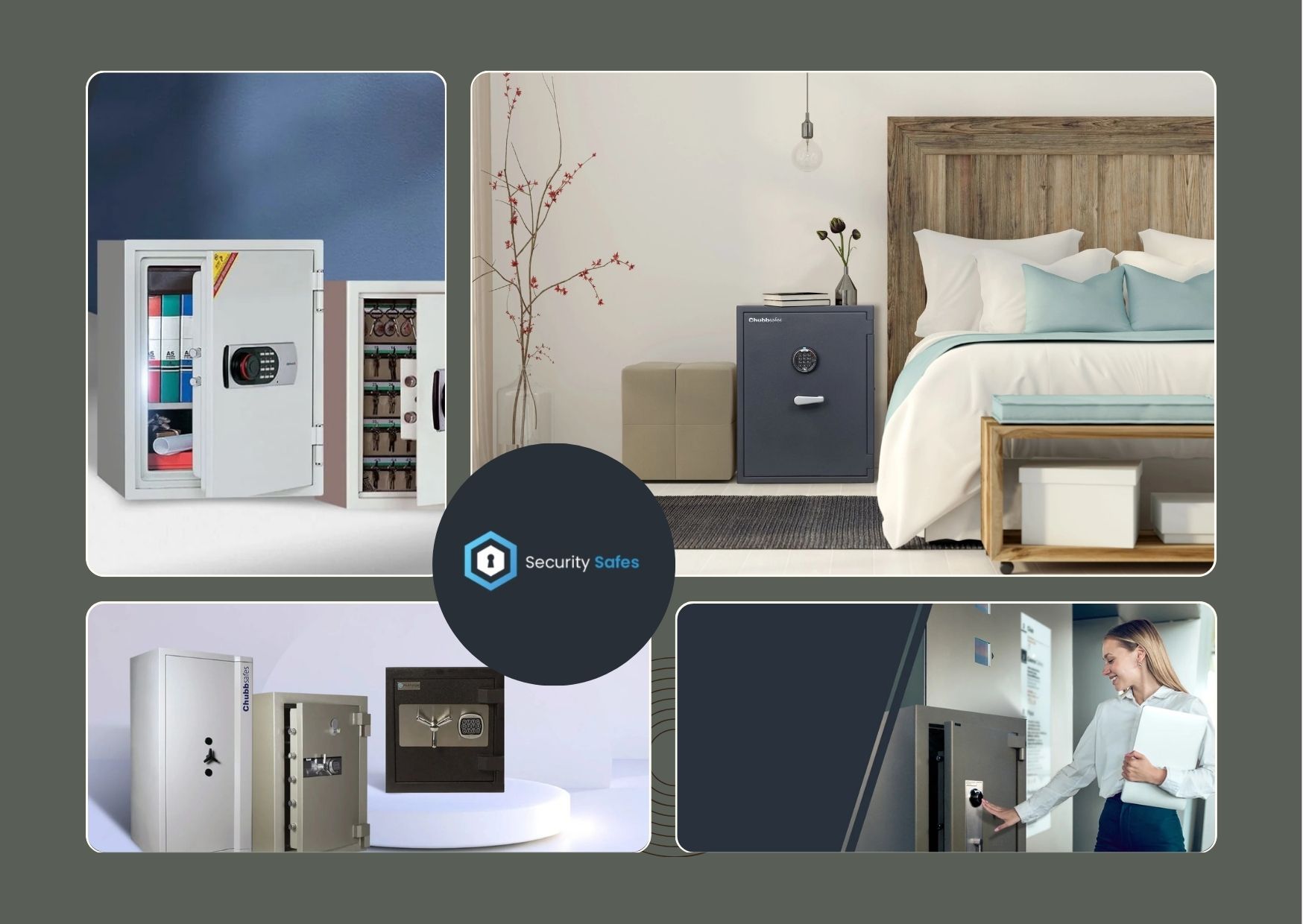
Many people choose a safe based on size alone, then discover too late that the real risk is how and where it’s installed. A burglar is more likely to target easy access points, weak mounting, and predictable locations than to defeat security safes a well-designed lock. Start by listing what you’re protecting, including cash, jewellery, passports, business records, and sensitive electronics. Then consider your property layout: are there shared offices, sliding doors, or areas with high foot traffic?
Next, evaluate the threat level in practical terms. If valuables are left unsecured in drawers or bedside cabinets, you’re effectively inviting opportunistic theft. If you manage a retail site, shopfronts and back counters can create time pressures that lead to poor storage habits. For higher-risk environments, look at fire resistance and tamper resistance as separate requirements, because the best solution balances both rather than relying on one feature.
Different contents require different protection, and that’s where problem-solution planning pays off. Documents and certificates benefit from fireproof construction and moisture-aware storage so critical paperwork remains readable after an incident. Cash and small valuables need strong safe deposit boxes burglary resistance, particularly around the locking mechanism and door integrity. By identifying your top risks, you can avoid overpaying for features you won’t use while still covering what matters most.
At the same time, some families want discreet storage that fits naturally into a home office or wardrobe area. For commercial operators, secure storage also supports process control, such as limiting who can access stock records, client documentation, or point-of-sale backups. The result is less “stuff hidden in random places” and more consistent handling of sensitive items.
Even the best unit can underperform if it isn’t installed correctly, so installation is part of the solution rather than an afterthought. Anchor the safe to a solid structure when the product design recommends it, and avoid placing it where it can be easily removed or concealed during an inspection. Consider how people will interact with the safe daily or weekly, because poor placement can lead to shortcuts and risky workarounds. A well-positioned safe supports secure habits instead of fighting them.
For businesses, think about access control and staff routines. A reliable locking method helps reduce the chance of lost keys, shared codes, or unauthorised access through casual supervision. Where appropriate, use procedures such as maintaining an access log for high-value items and limiting who can open the safe deposit storage. This is especially important when staff turnover occurs, because the security process must stay consistent even when roles change.
By matching protection level to your valuables, planning for safe installation, and setting sensible access habits, you reduce both theft risk and incident damage. Explore quality products from securitysafes.com.au and select the solution that fits your space, your contents, and your security standards. Many customers find that investing in secure storage improves day-to-day confidence, not just emergency readiness. When valuables are handled consistently, it becomes easier to maintain compliance for business documentation and to protect personal items from both accidents and opportunistic crime. Use the problem-solution framework to guide your decision, and you’ll be far more likely to choose a safe that performs as intended. That’s how you turn a purchase into genuine protection for the items that matter most.

 How to create new field