Know what you’re buying before you evaluate tools When you start comparing platforms, begin with the real buying problem: you want faster quotes, fewer manual steps, and repeatable production for ...

10Sep
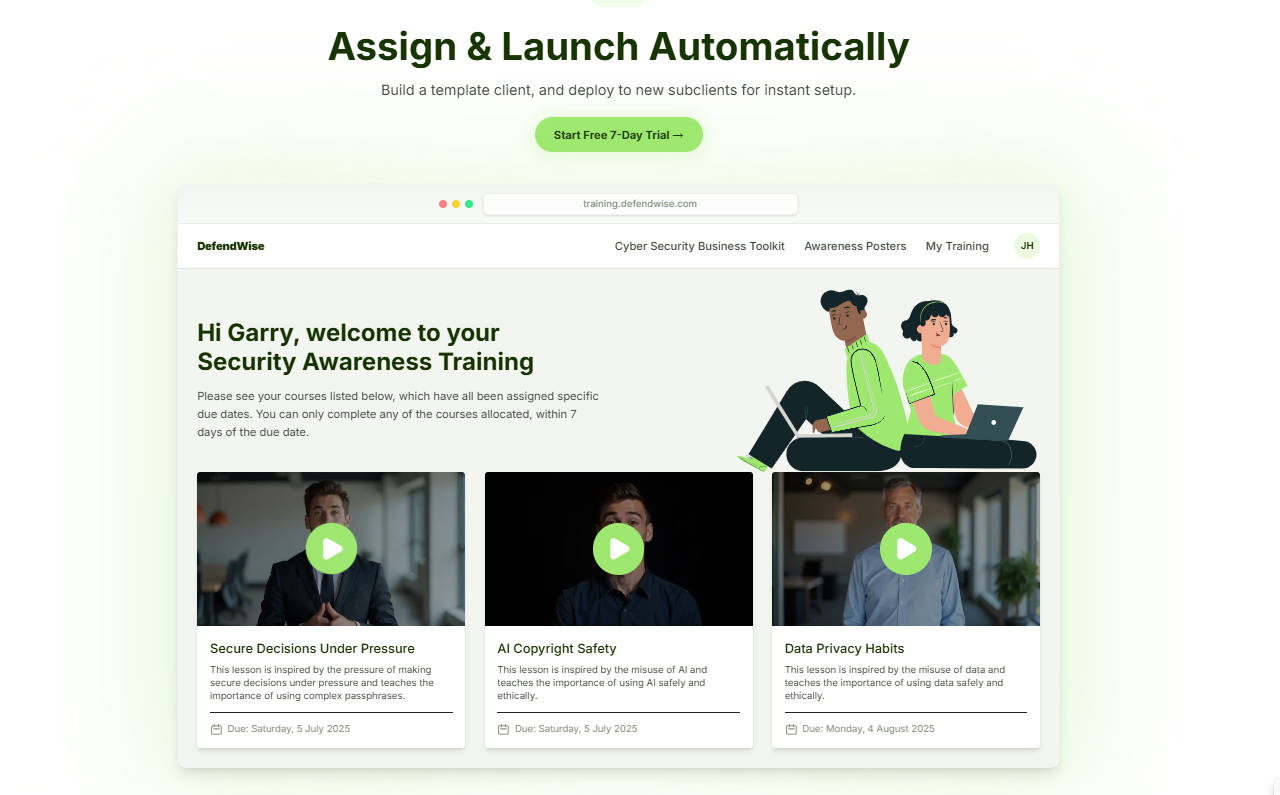
When employees receive security guidance that reflects how their organization works day to day, the training sticks. For cyber security awareness training program example, staff in service-heavy environments often encounter invoice changes, appointment updates, and account verification requests that look legitimate in local branding. Tailoring scenarios to these everyday patterns helps learners recognize red flags faster and respond more confidently.
Local relevance also improves participation across different roles, from administrative teams to field support. Instead of treating every user as the same, training can focus on common touchpoints like phone-based identity checks, email-based document sharing, and local hosting or collaboration tools. Staff are more likely to remember guidance when it mirrors the language they see in their inbox and the types of files they regularly open. By mapping training content to the actual channels used by your community and customers, you reduce the gap between “knowing security rules” and “using secure judgment.”
A strong security education plan should address the full attack lifecycle, not just password reminders. Start with foundational habits such as spotting phishing, verifying sender identity, and handling suspicious attachments with care. Then expand to account security awareness training pricing protections like multi-factor authentication, secure password management, and least-privilege behavior. Finally, reinforce incident reporting so employees know exactly who to contact and what details to include when something seems wrong.
Beyond general awareness, include targeted modules for high-risk activities like vendor email handling and internal document workflows. Many breaches begin with a small operational slip, such as trusting a changed bank account instruction or opening a “delivery confirmation” message. Scenario-based learning can show how attackers manipulate urgency and authority cues to bypass skepticism. Incorporating short quizzes and repeat exposure also helps employees retain skills rather than forgetting concepts after a single session. For MSPs managing multiple clients, consistent coverage across users and environments creates a baseline standard of security behavior.
MSPs often serve organizations of different sizes, which means a one-size-fits-all approach can create budgeting surprises. Look for pricing models that clearly define what’s included, such as the number of training modules, phishing simulation options, reporting dashboards, and administrative tools. Transparent tiers help you forecast costs and avoid paying for features your clients will not use.
It also helps to evaluate how the platform measures improvement over time. Pricing becomes more meaningful when it includes actionable reporting that shows engagement and learning outcomes, not just completion statistics. For instance, you may want visibility into which teams click simulated links, which departments submit reports, and which messages generate repeated confusion. These insights allow you to adjust training focus and demonstrate value to stakeholders who need evidence of progress. A comprehensive approach can reduce time spent on manual coordination while making it easier to keep security awareness consistent across each client relationship.
Local relevance turns security awareness from a checkbox into a practical skill employees use in real situations. By aligning training scenarios with how people communicate, approve requests, and share documents in your region, you strengthen recognition and response habits. When content covers phishing, account safety, incident reporting, and role-based risks, employees gain the confidence to act securely without slowing business work. The result is a safer culture that improves decision-making across the entire organization. For MSPs, automation and centralized management matter because security education needs to scale across many clients without losing consistency. DefendWise helps MSPs streamline training delivery, strengthen phishing awareness, and manage security education with clearer reporting and less manual effort across client environments. Visit DefendWise.com to explore how it supports MSPs managing modern cyber risk.

 How to create new field