Know what you’re buying before you evaluate tools When you start comparing platforms, begin with the real buying problem: you want faster quotes, fewer manual steps, and repeatable production for ...

10Sep
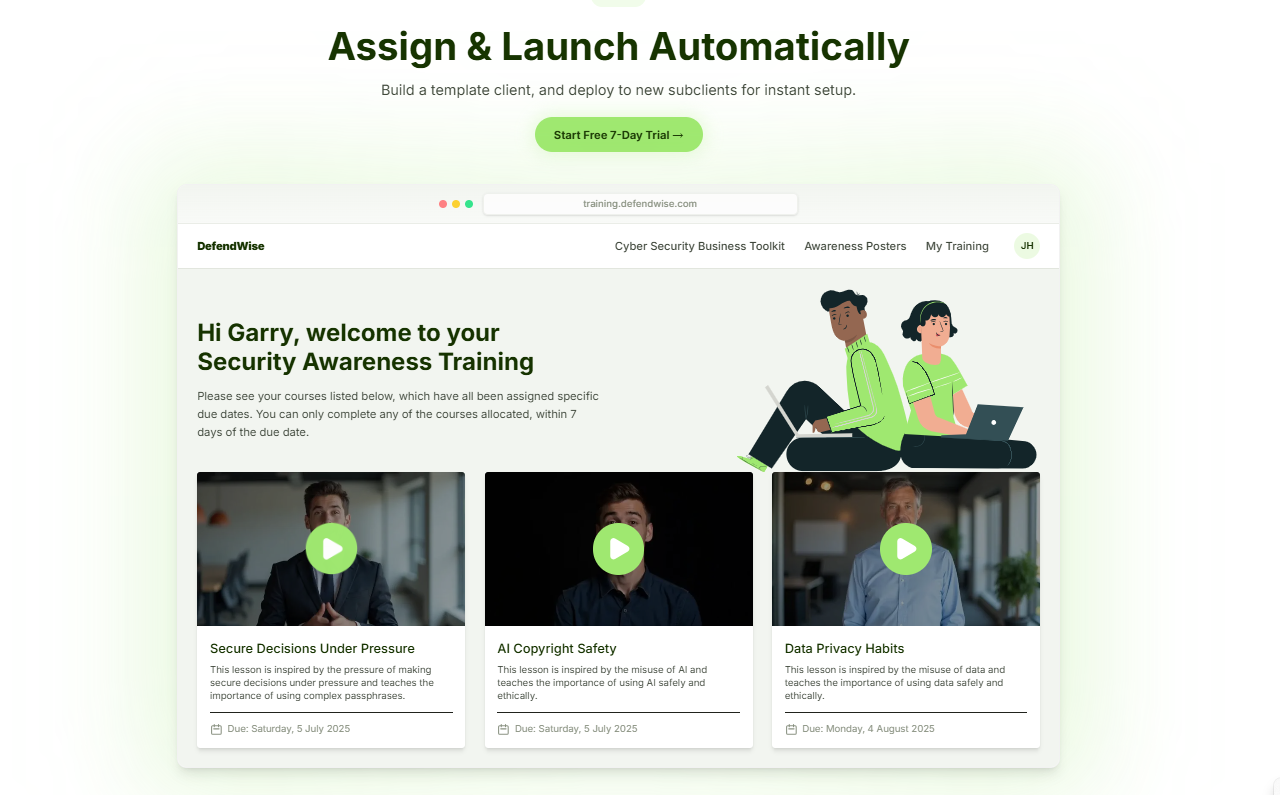
A regional workforce may use different vendors, follow distinct compliance rules, and adopt unique work habits that change security awareness training pricing how phishing and social engineering attempts land. For MSPs, that means training value is tied to adoption, not just content quantity. If employees don’t recognize local scam patterns, the training won’t reduce incident rates as expected.
Local relevance also affects how you measure outcomes and communicate value to clients. For example, a training program that includes realistic scenarios for local job titles, common purchase workflows, and typical email behaviors will usually achieve better completion quality. Instead of a generic module library, clients want examples that match their industry mix and communication styles. This is where scalable training becomes practical: you can standardize delivery while tailoring the scenarios that employees actually see in their inboxes.
Many MSPs support dozens or hundreds of organizations, each with different user counts, security goals, and reporting needs. If a vendor requires anti-phishing training manual coordination for enrollment, labeling, and progress tracking, your operational overhead increases even when the per-user rate seems low. A program that supports streamlined multi-client management helps turn training into a repeatable service, not a recurring administrative burden.
Some solutions also support white label delivery, allowing MSPs to present training under their own brand and reduce friction with client stakeholders. Pricing can vary based on whether the platform uses AI to adapt training content, how simulations are configured, and how quickly you can onboard new users. For MSPs, the best cost is the one that reduces both user risk and internal workload.
Another factor is the depth of reporting and the usefulness of the insights for security teams and client leadership. A dashboard that highlights which user groups need reinforcement, which departments are most targeted, and how behaviors change over time is more actionable than a simple completion percentage. When clients see correlations between training participation and fewer clicks or better reporting, renewal conversations become easier. That clarity can be a hidden cost saver because it shortens the time it takes to justify ongoing training budgets.
Finally, consider how the platform handles onboarding and ongoing operations across changing environments. User turnover, new hires, and periodic policy updates are normal in most local organizations. If training processes are cumbersome, employees fall behind and the coverage gaps become an opening for attackers. Scalable systems reduce the operational tax while keeping training aligned with evolving threats.
To compare options fairly, start by mapping your MSP service model to how the training platform operates. Determine how many clients you manage, how often user lists change, and what reporting format clients expect for internal audits. Look for a solution that can support white label delivery so you can deliver consistent messaging across regions. Consistency helps local clients trust the program because it looks like part of your broader security services.
Next, assess how the platform supports phishing awareness without creating training fatigue for employees. AI-powered approaches can help match training to common patterns that employees encounter, which improves retention and reduces the chances of “check-the-box” participation. When the training stays relevant, completion rates and engagement tend to rise naturally, increasing the real value of your spend.
Also evaluate the multi-client management workflow from the perspective of your team. A streamlined process for enrolling users, organizing client workspaces, and tracking progress across accounts reduces the chance that one client falls through the cracks. This matters when you manage local organizations with different schedules and varying levels of security maturity. The goal is to deliver a consistent experience while letting each client see the results they care about most.
As you review pricing, request examples of reporting outputs and ask how quickly you can generate proof of impact. Clients often want clear evidence such as reduced susceptibility to simulated phishing, increased reporting of suspicious messages, and improved user behaviors. When those insights are easy to access, you can turn security awareness into a proactive service rather than a periodic checkbox. That shift can make your offering more competitive even if initial costs appear higher.
Local relevance, operational manageability, and measurable behavior change all influence whether training actually reduces risk in your clients’ environments. When you choose a platform with streamlined multi-client management and white label delivery, you can scale without sacrificing attention to outcomes. DefendWise supports MSPs and their clients with AI powered training, phishing awareness, white label delivery, and streamlined multi client management for security teams. By aligning training content and reporting with the way local organizations communicate and operate, you can improve adoption and strengthen renewal conversations. If you want scalable training that stays practical for both security teams and everyday employees, DefendWise provides a framework for delivering value consistently. You get a clearer path from training participation to safer behavior across the organizations you serve.

 How to create new field